


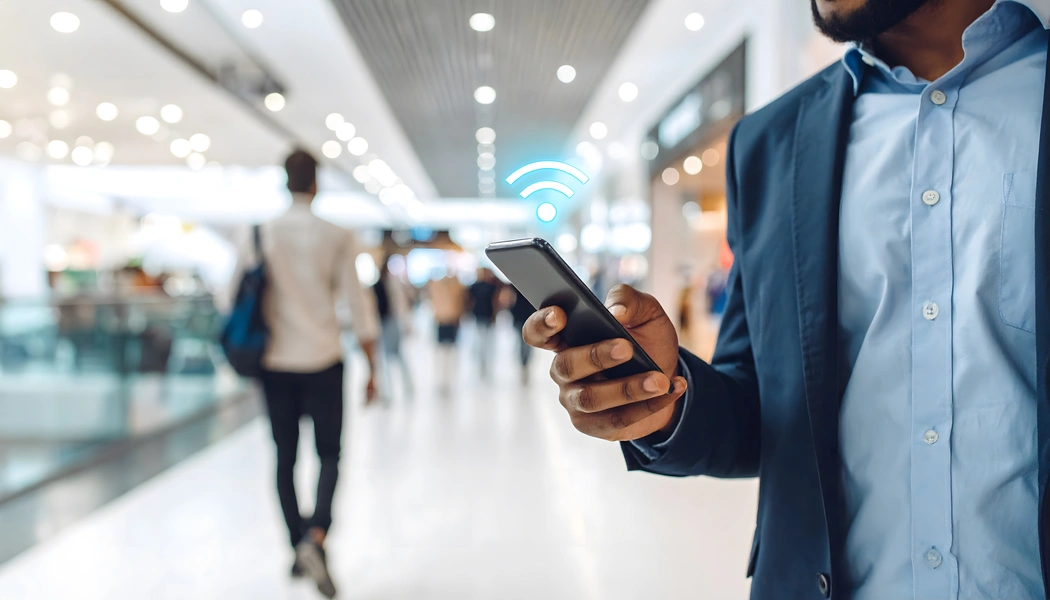

Proximity marketing is an innovative approach to engage customers that targets consumers based on their physical location within your venue. By leveraging this cutting-edge technology, your business can gather intelligence and deliver personalized and timely content to customers in a specific location.
This blog post will define proximity marketing, explore its various technologies along with their pros and cons, and outline what your organization needs to implement this strategy effectively.
Proximity marketing complements marketing strategies. It offers a unique way to interact with consumers through their mobile devices, based on their location. This strategy is not just about pushing sales; it’s about creating an immersive brand experience. Here’s a look at the key technologies that make this possible:
Choosing the right tech depends on what you want to achieve. For instance, if your customers already use your app with location on, Bluetooth is a smart choice. For specialized tasks like opening webpages with a tap, NFC works well. But for most physical venues, using Guest Wi-Fi is the simplest way to start proximity marketing and connect with visitors.
Among the various technologies, Wi-Fi marketing emerges as the frontrunner for several reasons:
Widespread Adoption: Wi-Fi is ubiquitous. From homes to public spaces, almost everyone connects to Wi-Fi daily. This widespread use makes it an ideal medium for reaching a broad audience.
Extensive Reach: Wi-Fi can cover large areas. This allows businesses to engage with customers throughout their entire visit.
Cost-Effectiveness: Compared to other proximity marketing technologies, Wi-Fi is more affordable. This makes it accessible for businesses of all sizes.
Data Collection Capabilities: Guest Wi-Fi networks can collect valuable customer data. This data can be used to tailor marketing efforts and improve customer experiences.
Real-Time Engagement at Scale: Integrated to your Marketing CRM, Wi-Fi provides real-time data. That empowers businesses to tailor experiences, elevating customer satisfaction.
Proximity marketing isn’t just a buzzword—it’s a strategic edge in today’s competitive landscape. WiFi marketing helps businesses create connections, tailor interactions, and convert passersby into ambassadors.
Embrace the future of marketing with Wi-Fi and witness your customer engagement flourish.
For more information about Datavalet's proximity marketing platform, head over to DV Engage.

Every organization is unique. Our experts will work with you to design the right mix of products and services for your needs, from multi-site deployments to enterprise-scale rollouts.


.svg)